- Dolores Islas
- May 11, 2026
- 3:02 pm
For decades, cities were designed around a very specific logic: long commutes, corporate zones detached from personal life, and urban models built for those who worked away from home while someone else managed the household.
But the world has changed.
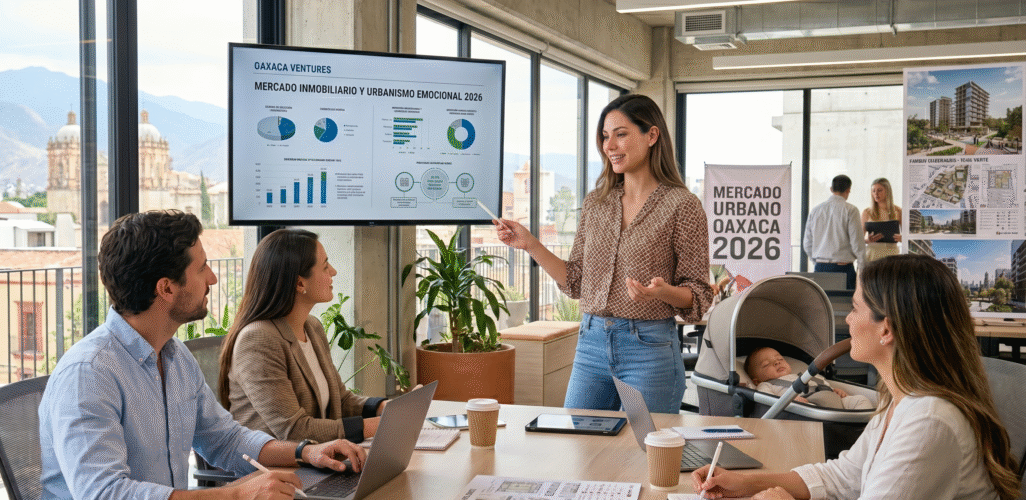
Quietly and steadily, modern mothers are transforming more than just family dynamics; they are redefining residential design, urbanism, consumption patterns, and the very future of real estate. Today, many women are no longer willing to choose between professional growth and motherhood. They want to integrate both—and that necessity is rewriting the rules of how we live.
1. Hybrid Motherhood: A Shift in Priorities
Remote work, digital entrepreneurship, and labor flexibility have completely altered the relationship between home and office. Many mothers now manage businesses and lead meetings while simultaneously playing an active role in their children’s upbringing.
This has birthed a new real estate requirement: spaces that are flexible, functional, and deeply human. Modern vertical developments are no longer just for single executives or traditional investors. We are seeing a surge in:
Flex Rooms & Integrated Mini-Studios: Dedicated spaces for deep work.
In-house Coworking: Professional environments just an elevator ride away.
Hybrid Rooftops & Wellness Rooms: Areas for mental clarity and health.
Kids’ Zones & Pet-Friendly Amenities: Essential for the modern family unit.
Luxury has ceased to be purely aesthetic. Today, true luxury is functionality.
2. Emotional Urbanism: The “Life Integration” Model
Neighborhoods like Roma, Condesa, and Del Valle in Mexico City are no longer attractive just because they are trendy. They thrive because they offer integration.
The ability to walk to cafes, hospitals, parks, and schools has become a high-value real estate asset. For young families and professional mothers, time is the new currency. It’s no longer about total square footage; it’s about the quality of the life lived within those meters.
3. Lessons from Scandinavia: The New Definition of Luxury
Countries like Denmark, Sweden, and Norway understood this long ago. Their urban design revolves around:
Pedestrian mobility and safety.
Community integration.
Natural light and emotional well-being.
This highlights a crucial conversation for the future of the industry: the true meaning of luxury has shifted. High-net-worth individuals are moving away from ostentation and toward:
Flexibility
Mental Health
Proximity & Community
4. The Rise of the Mother-Investor
Perhaps the most significant shift is the entry of more women into the world of asset management. We are seeing a new wave of:
Women purchasing property independently.
Mothers building passive income through Airbnb and rentals.
Investors seeking long-term stability and wealth protection for their families.
Motherhood is moving multibillion-dollar industries—from hospitality and wellness to architecture and tourism.
The Cities of Tomorrow
The future of real estate may not be defined solely by institutional funds. It will be defined by women who are deciding where it is truly worth building a life.
Modern mothers aren’t just raising children; they are quietly redefining real estate value and the blueprint of the cities of the future.
And honestly? I believe we are only just beginning to see the impact.